Catholic Social Teaching On Immigration Reform
Toward a Just and Humane Framework
What Catholic Social Teaching actually says about immigration reform—human dignity, the rule of law, and a just path forward rooted in the common good.
by CAPP-USA
Pope St. John Paul II on Immigration and Human Dignity
“The challenge is to combine the welcome due to every human being, especially when in need, with a reckoning of what is necessary for both the local inhabitants and the new arrivals to live a dignified and peaceful life”. (Message for World Day of Peace, 13)
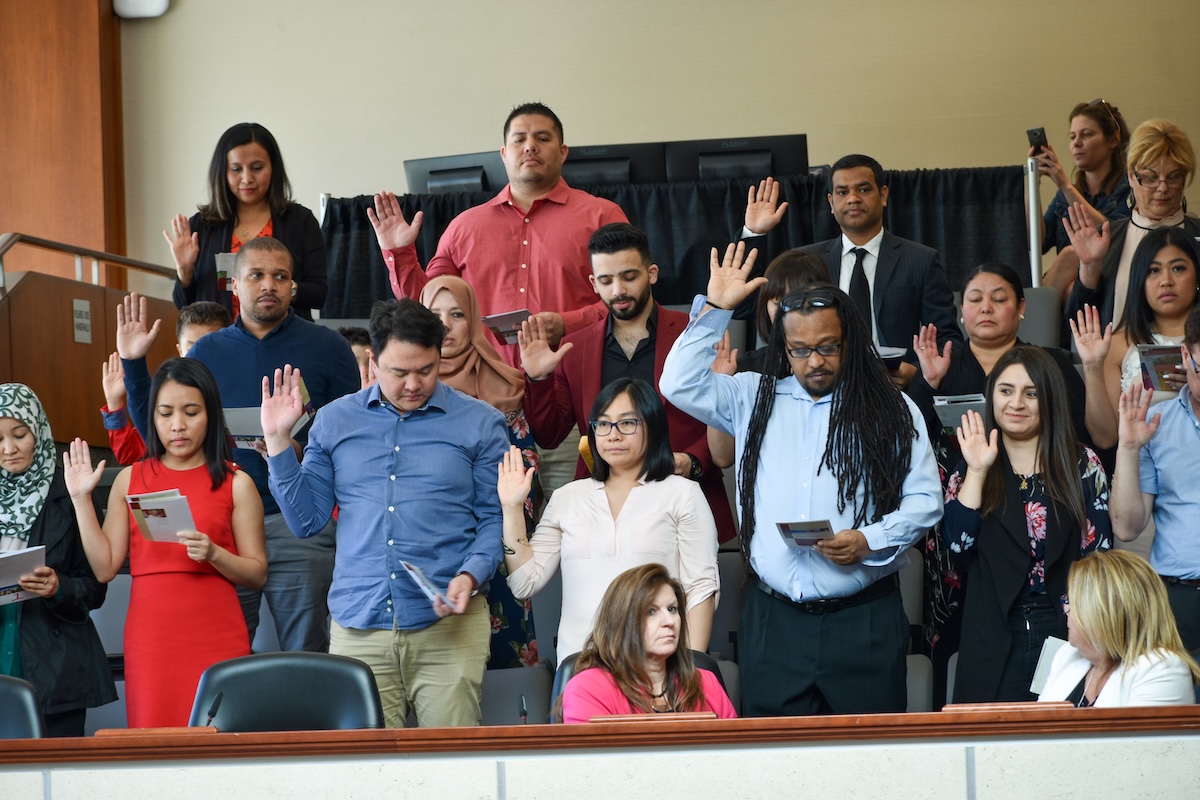
Immigration reform depends on compassion and responsibility.
What Does Catholic Social Teaching Say About Immigration Reform?
Catholic Social Teaching affirms the inherent dignity of every person while recognizing the legitimate right of nations to regulate borders. It calls for immigration laws that uphold the rule of law, protect families, and serve the common good by offering just and humane paths to participation.
Catholic Social Teaching on immigration emphasizes three core principles: human dignity (every person has inherent worth regardless of legal status), solidarity (we share bonds with those who become part of our communities), and the common good (laws should enable human flourishing, not create permanent marginalization).
Catholic Social Teaching refuses false choices. It recognizes that nations have rights to regulate borders and that unlimited immigration isn’t required. And it insists on both compassion and responsibility, for both the dignity of immigrants and the legitimate concerns of the political community.
As Catholics and citizens we can—and must—defend both human dignity and the rule of law. Until our laws better reflect that balance, millions of our brothers and sisters will live in the shadows because of no clear or realistic path to regularization.
CST challenges citizens to advocate for immigration policies that recognize the full human dignity of every person and create pathways for reconciliation and regularization that truly serve the common good.
A Call to Action: Moving from Principle to Practice
To ensure our efforts for immigration reform remain grounded in faith rather than partisanship, we can follow the traditional “See, Judge, Act” method used in many Catholic lay apostolates.
- Personal Formation (The “See” and “Judge” Stage)
Before we can act effectively, we must align our hearts and minds with the Church’s vision of the human person.
- Pray for Balance: Use the quote from Pope St. John Paul II as a meditation, praying specifically for policymakers to find the wisdom to balance “welcome” with “the rule of law.”
- Educate Ourselves: Study the Catholic Sources, and others, on immigration and what the Church actually teaches. (Note resources below)
- Remember: Documentation does not determine a person’s worth before God.
- Parish & Community Engagement (The “Act” Stage)
The local church can be a “field hospital” that provides immediate care and builds social fabric.
- Support Catholic services: Support Catholic legal services that help immigrants navigate the current system, as CST framework suggests.
- Create “Encounter” Spaces: Organize parish potlucks or listening sessions where parishioners can hear the lived experiences of immigrants. Personal stories bridge the gap that statistics cannot.
- Pastoral Care: Ensure that parish ministries (food pantries, baptismal prep, youth groups) are explicitly open to all, regardless of documentation status, ensuring the Church remains a sanctuary of grace.
- Civic Advocacy (The “Transform” Stage)
Catholic Social Teaching recognizes that while charity is necessary, justice requires reforming the structures.
- Advocate for Reform Consistent with Catholic Social Teaching Principles: Contact your representatives to support legislation that provides a clear, earned pathway to legal status for long-term residents.
- Promote the “Right Not to Migrate”: Support international aid and policies that address the root causes of migration—poverty, violence, and lack of opportunity—in home countries. This reflects the Church’s teaching that people should not be forced to leave their homelands due to violence, poverty, or persecution.
- Call for Administrative Remediation: Urge local and federal officials to eliminate legal insecurity by streamlining visa processes and ensuring the system is efficient enough to be followed.
Final Word
As we have seen throughout this series, Catholic Social Teaching does not approach immigration through partisan categories but through the deeper moral question of what truly serves the human person and promotes the common good.
That common good includes both the dignity of migrants and the legitimate responsibilities of the political community.
The state has a primary duty to protect the safety, stability, and economic well-being of its citizens, and immigration policy must be ordered toward that responsibility.
At the same time, the human person always remains prior to the state, and law must be evaluated within that moral horizon. Holding these truths together — without collapsing one into the other — is the distinctive contribution of Catholic Social Teaching.
The burden of immigration reform primarily falls on policymakers, who must craft laws that reflect both human dignity and justice
while safeguarding the common good.
Where legal frameworks create contradictions that leave long-term residents with no realistic path to reconciliation, serious moral evaluation is warranted and, where prudence allows, reform should be considered.
Until that day comes, we must remember: our brothers and sisters who lack legal status are not less beloved by God, less worthy of dignity, or outside the concern of the Christian community. Documentation does not determine a person’s worth before God.
In the meantime, through faithfulness, virtue, contribution to the community, and care for family in accordance with conscience and moral law, immigrants can maintain moral integrity — even when their legal status remains unresolved.
Further Reading
CAPP-USA Resources:
- What Is Catholic Social Teaching?
- The Three Principles of CST
- Human Dignity — Dignity is intrinsic. Legal status does not define a person’s worth. The person remains infinitely valuable regardless of legal status. Their dignity before God is not contingent.
- Solidarity & Subsidiarity — Communities must seek just solutions that respect both the person and the broader social fabric. The community should seek solutions at the appropriate level and should recognize bonds of solidarity with those who have become part of the social fabric.
- The Common Good — Laws should enable constructive participation, not produce permanent marginalization. . A system that offers no path to reconciliation fails both the individual and the community. Laws should facilitate human flourishing, not create permanent classes of vulnerable people.
- Immigration & Mass Deportations
- Pope Leo XIV, 2025 World Day of Migrants and Refugees
Catholic social teaching acknowledges that justice requires remediation. A legal framework that offers no path to regularization for long-term residents, especially those who acted under grave necessity, warrants serious moral evaluation and, where appropriate, reform. (The principles of Catholic social teaching)




CAPP-USA (Centesimus Annus Pro Pontifice, Inc.) is the United States affiliate of the Vatican-based pontifical foundation of Fondazione Centesimus Annus Pro Pontifice, established by Pope St. John Paul II in 1993 to promote Catholic Social Teaching in fidelity to the Magisterium of the Catholic Church. CAPP-USA is a 501(c)(3) nonprofit organization.