• Articles
  • Donate
  • About
    • CAPP-USA Introduction
    • CAPP-USA Team
    • FAQ
    • Join CAPP
    • Papal Addresses to CAPP
    • Study Center
    • Magisterial Resources
    • CST Infographics & Videos
    • CAPP Newsletters
    • Vatican Home
POPE LEO XIV'S FIRST ENCYCLICAL
Register for the 2026 CST Course
Join our Articles Community!
  • Three Principles
    • Human Dignity
    • Solidarity
    • Subsidiarity
    • What is Catholic Social Teaching?
  • Major Themes
    • The Common Good
    • Preferential Option for the Poor
    • Right to Private Property
    • Universal Destination of Goods
    • The Dignity of Work
  • Pathologies
    • 4 Dangers to Society
    • Consumerism
    • Environmental Degradation
    • Physical Environment
    • Human Environment
    • Integral Ecology
    • Alienation
  • The Family
    • What is the Family?
    • The Family and the State
    • The Family is Connected to Ecology
  • Issues
    • Abortion
    • Climate Change
    • Democratic Socialism
    • Artificial Intelligence
    • Dignity of Work
    • Euthanasia
    • Gun Control and Self-Defense
    • Homosexuality
    • Inmigración
    • Overpopulation
    • Pornography
    • Racism in the United States
      • Institutional Racism
      • Antisemitism
    • The Death Penalty
    • The COVID-19 Response
    • Transgenderism
    • Universal Healthcare
    • Voting
  • Structures
    • Overview
    • Culture
    • Economics
    • Politics
How Can Goods be Universal?

How Can Goods be Universal?

by capp | May 18, 2021 | All, Right to Private Property, Universal Destination of Goods

Join our Newsletter   How Can Goods be Universal?   by CAPP-USA The Universal Destination of Goods The Universal Destination of Goods is a major theme of Catholic social teaching To discuss the the common good...

Culture: The Most Important Structure of Society

Culture: The Most Important Structure of Society

by capp | May 12, 2021 | All, Culture, What is CST?

Join our Newsletter   A Crisis of Culture (The Most Important Structure of Society)   by CAPP-USA   A Crisis of Culture is happening as we speak. The Church has identified its roots. What is Culture? To understand the crisis of culture, we must...
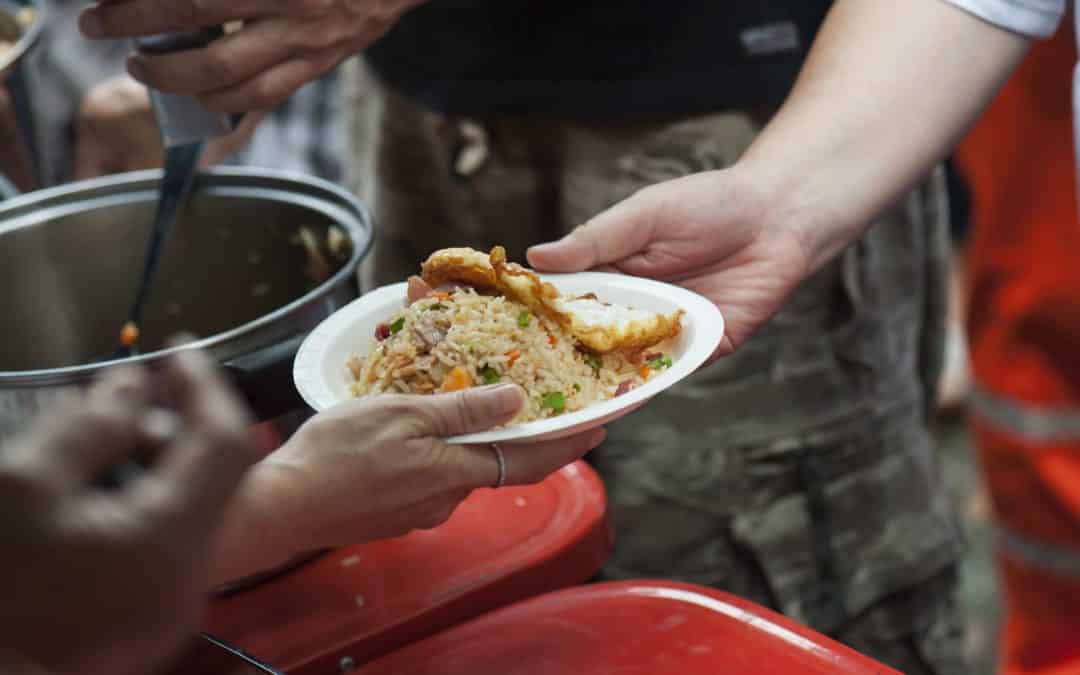
What Exactly is the Preferential Option for the Poor?

What Exactly is the Preferential Option for the Poor?

by capp | May 5, 2021 | All, Preferential Option for the Poor

Join our Newsletter   What is the Church’s “Preferential Option for the Poor”?   by CAPP-USA   An important background to any Catholic discussion of the preferential option for the poor, poverty, and development is “the Church’s love for the poor...
The Common Good is a Result, not a Principle

The Common Good is a Result, not a Principle

by capp | Abr 22, 2021 | All, Common Good

Join our Newsletter   The Common Good: a Result – not a “Principle”   by CAPP-USA   The “common good” is a critical concept and – an aspirational result: “the sum total of social conditions which allow people, either as...
10 Questions About Catholic Social Teaching

10 Questions About Catholic Social Teaching

by capp | Mar 25, 2021 | Abortion, Alienation, All, Artificial Intelligence, Climate Change, Consumerism, Culture, Death Penalty, Dignity of Work, Economics, Encyclical Summaries, Euthanasia, Government and Politics, Gun Control, Healthcare, Human Dignity, Human Environment, Inmigración, Inflation, Integral Ecology, LGBT, Other, Papal Addresses, Physical Environment, Preferential Option for the Poor, Racism, Right to Private Property, Secularism, Socialism, Solidarity, Subsidiarity, The Family and Marriage, Universal Destination of Goods, War, What is CST?

Join our Newsletter   10 Catholic Social Teaching Questions   by CAPP-USA   1. What is Catholic Social Teaching? “Catholic social teaching seeks to apply the essence of Christian moral principles to life in society. It is not an economic or...
Página 28 de 30« First«...1020...2627282930»

Categorías

Archivos

Join

Join our Articles Community
Bi-weekly insights facing our society.
Join our Articles Community
Bi-weekly insights facing our society.